Ask a fireworks company what a display costs and you will usually get one of two answers: a dodge, or a “it depends” with nothing behind it. Almost nobody in this industry publishes real numbers. We think that is a problem, because the people planning community celebrations, festivals, and game-night entertainment deserve to budget with facts.
So here is our pricing, the way we talk about it on the phone, written down.
The Short Answer
These are the planning ranges we share with clients every week. Every show is custom, so treat them as honest ballparks, not a menu.
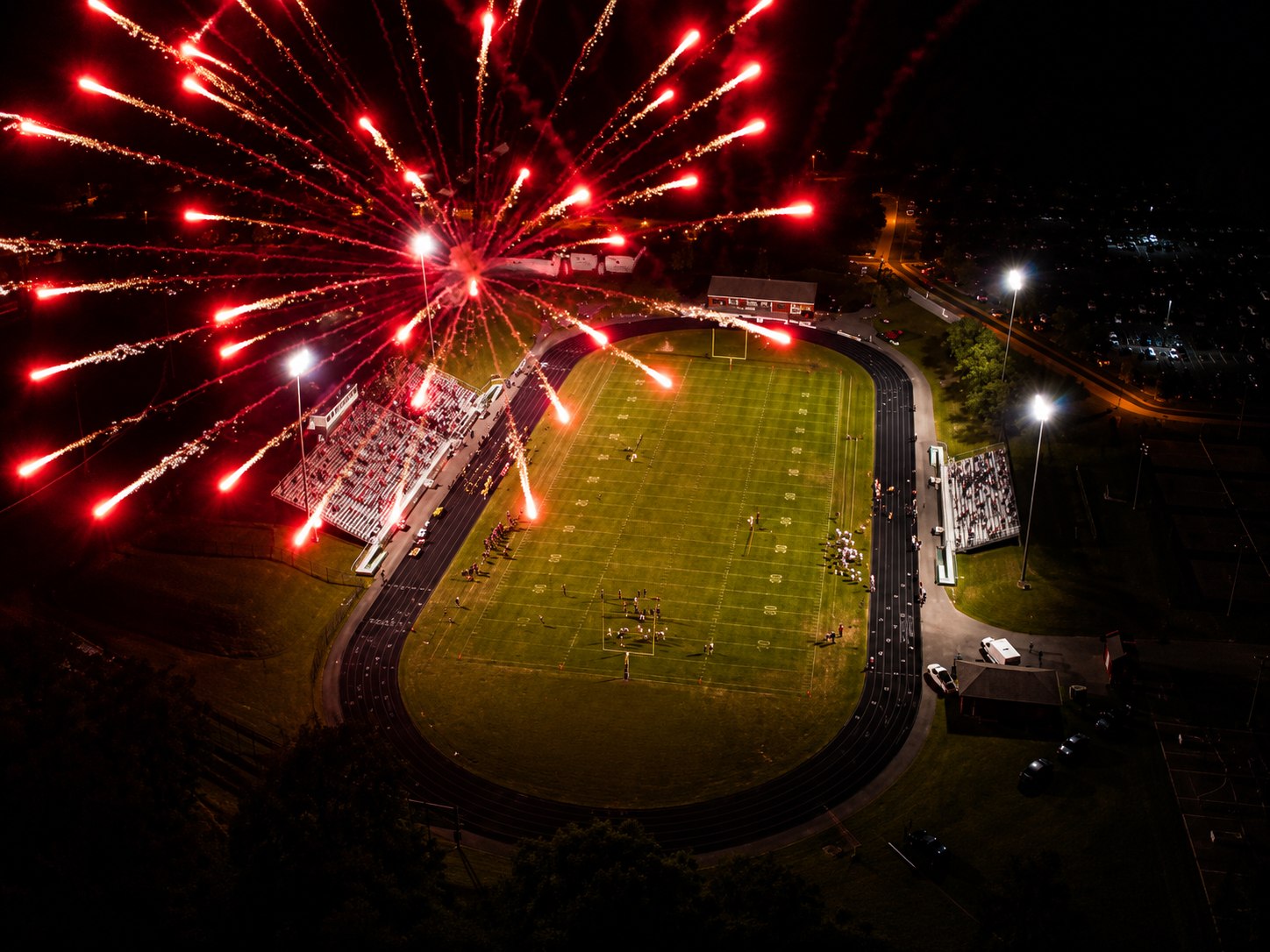
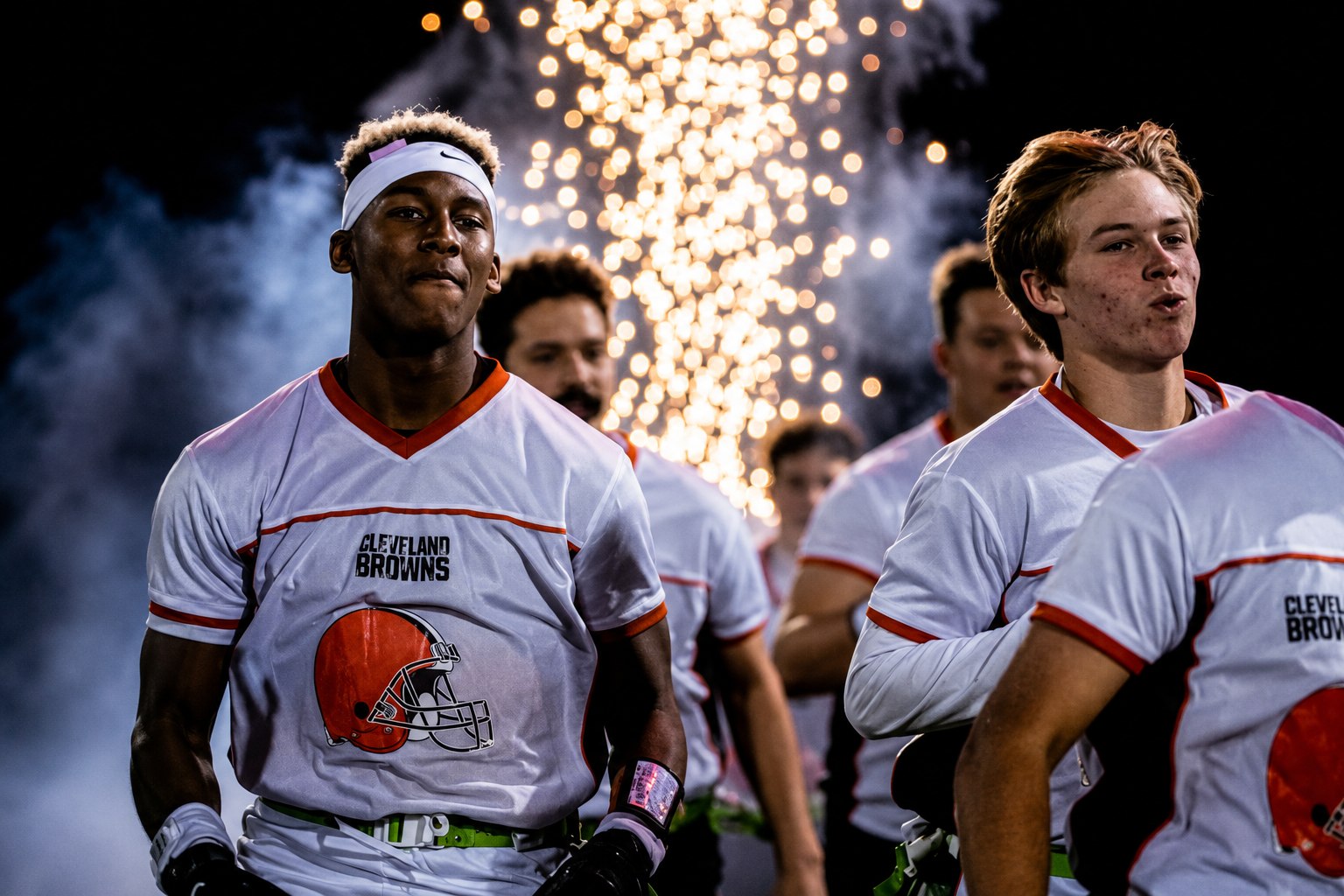
Game-day and stadium SPFX work differently on purpose. Entrances, goal moments, victory bursts, and one-shot stadium hits are priced per cue, or as a per-day rate on the SPFX gear package. A cue list might be six moments or sixty, so pricing follows the cue count and the gear day, not the clock.
Most projects land above the floor as the show grows. That is not a sales line, it is just how the math works: more shells, bigger calibers, more crew.
What Actually Drives the Price
1. Show scale and length
The two biggest levers are how long the show runs and how big the shells are. A five-minute finale-style burst sequence and a ten-minute choreographed feature are different amounts of product, different mortar counts, and different setup days. Caliber matters too: 3-inch shells and 6-inch shells are different animals in cost, in sky coverage, and in the safety distances the site has to support.
2. The site
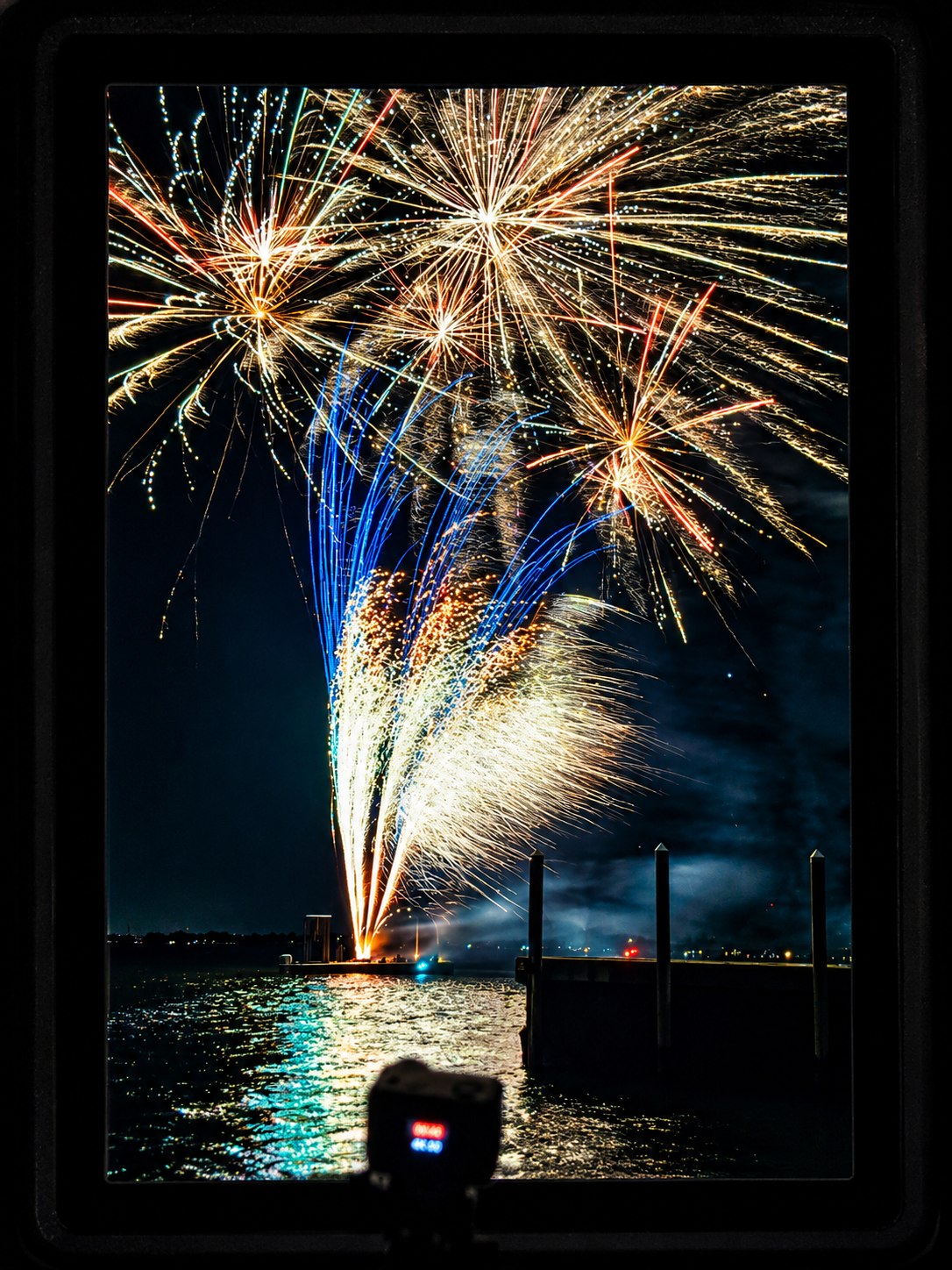
Water shows, stadium shows, and rooftop shows each change the plan. A barge show adds vessels, anchoring, and marine coordination. A stadium adds rigging heights, protected zones, and tighter load-in windows. A field show is the simplest case, which is why the same budget buys more show at a wide-open site.
3. Permits and agency fees
Every legal display requires permits, and those carry real costs: application fees, plan review, fire department standby, and sometimes law enforcement or marine patrol. On a recent 10-minute show, permit preparation was $300 and fire department fees were $323. We itemize those lines instead of burying them, because surprises are not a pricing strategy.
4. Crew, equipment, and insurance
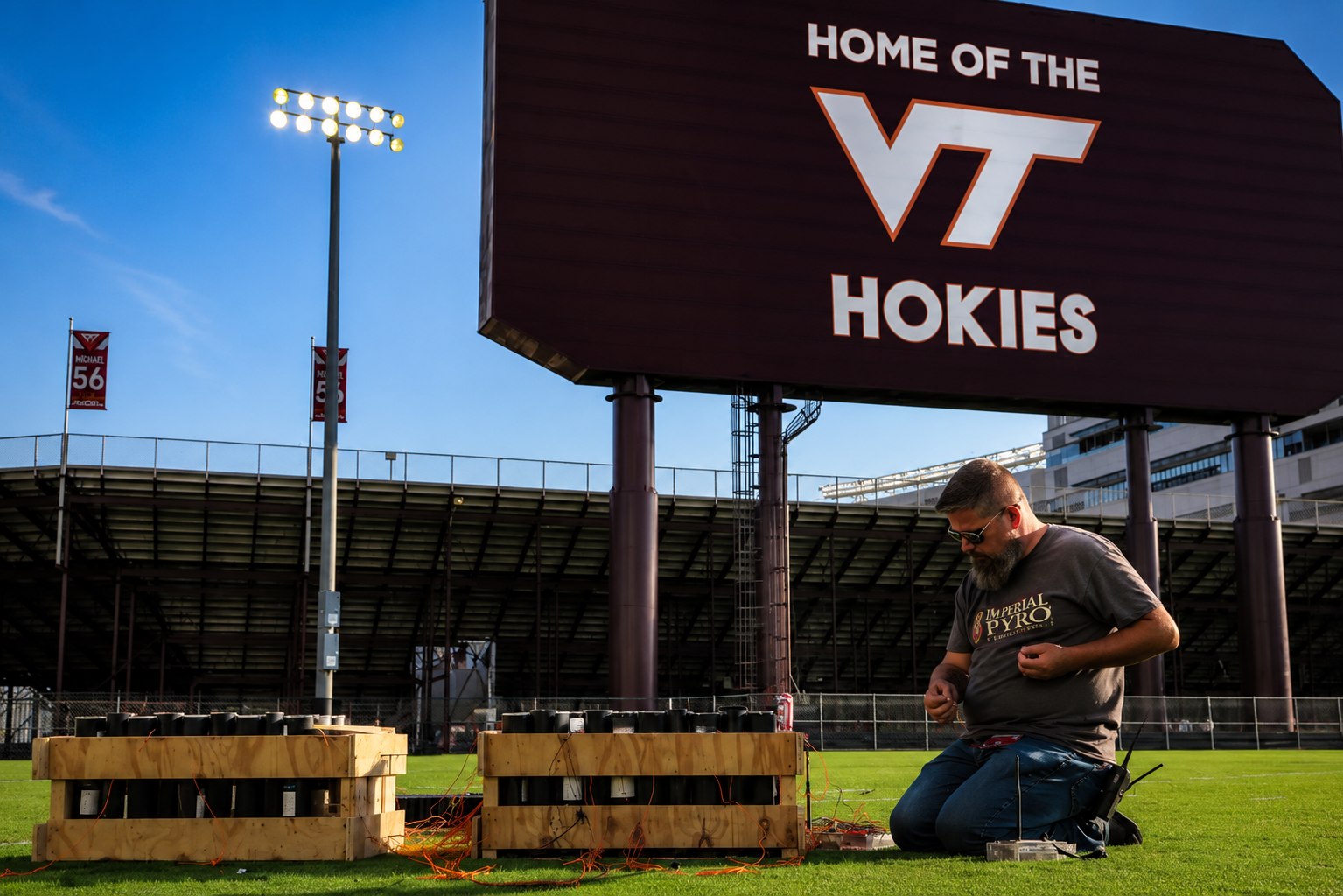
Licensed pyrotechnicians, DOT-compliant transport, mortars and tubes, electronic firing systems, and $1,000,000 in liability insurance are all part of the number. A professional display is a crewed production, not a trailer of tubes dropped in a field.
5. Fresh product
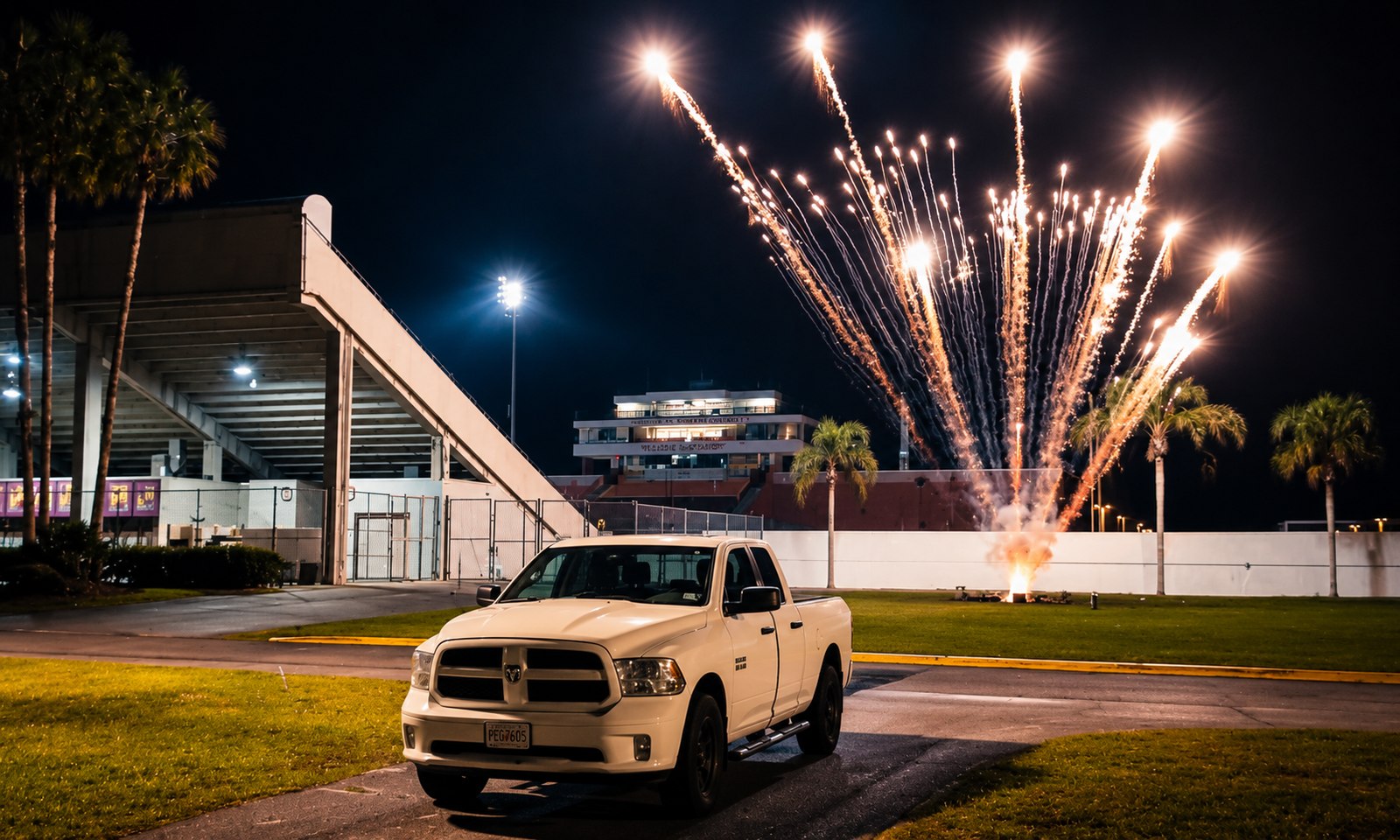
Fireworks are perishable in their own way. In Florida, humidity works on product all summer, and stale or badly stored shells show it: lazy breaks, dud sky, and timing that drifts. We buy fresh professional-grade product, store it in controlled conditions, and script the show against the actual inventory we pull for your date. It costs a little more. It shows in the sky.
A Real Example, Itemized
Here is what a recent quote looked like when it became an invoice: a 10-minute water-based show with 3-inch shells and cryo jets.
That is what transparency looks like: you see the show, the paperwork, and the agency costs as separate lines, and you know what each one buys.
Why Quotes Vary Wildly Between Providers
If you collect three bids for the same show, you may see numbers all over the map. Usually the gap comes down to what is actually inside the quote:
- Licensing and insurance. Some operators carry full coverage and proper permits. Some do not, and you inherit the risk.
- Product quality and age. Fresh professional product fires crisp and on cue. Old product disappoints in front of your crowd.
- Crew and firing systems. Electronic firing with scripted cues costs more than hand-firing, and it looks completely different.
- The fine print. Travel, cleanup, standby personnel, and fees that show up after the deposit. Ask for the itemized total.
The cheapest bid is rarely the cheapest night. Ask what is included, then compare.
How Far Out Should You Book?
For a holiday or New Year’s Eve display, start the conversation 2 to 3 months out. Permitting, site plans, and agency scheduling all take calendar time, and the best dates fill first. Inside 30 days it is sometimes still possible, but you are negotiating with the clock instead of the calendar.
Permit timelines are the part most organizers underestimate. We break down the full process in our Fireworks Permitting & Logistics Guide.
What Is in Every Imperial Quote
- An itemized scope: show, permits, fees, travel, and cleanup, no buried lines
- A licensed, insured crew (displays are covered by $1,000,000 in liability insurance)
- Fresh, professional-grade product scripted to your site and your date
- A written proposal within 24 to 48 hours
- A show designed for your crowd, whether that is 200 neighbors or 20,000 fans
Planning a fall festival, a holiday show, or a season kickoff? Tell us the date and the site, and we will tell you the number, in writing, fast.
Creating the Moment They’ll Never Forget.