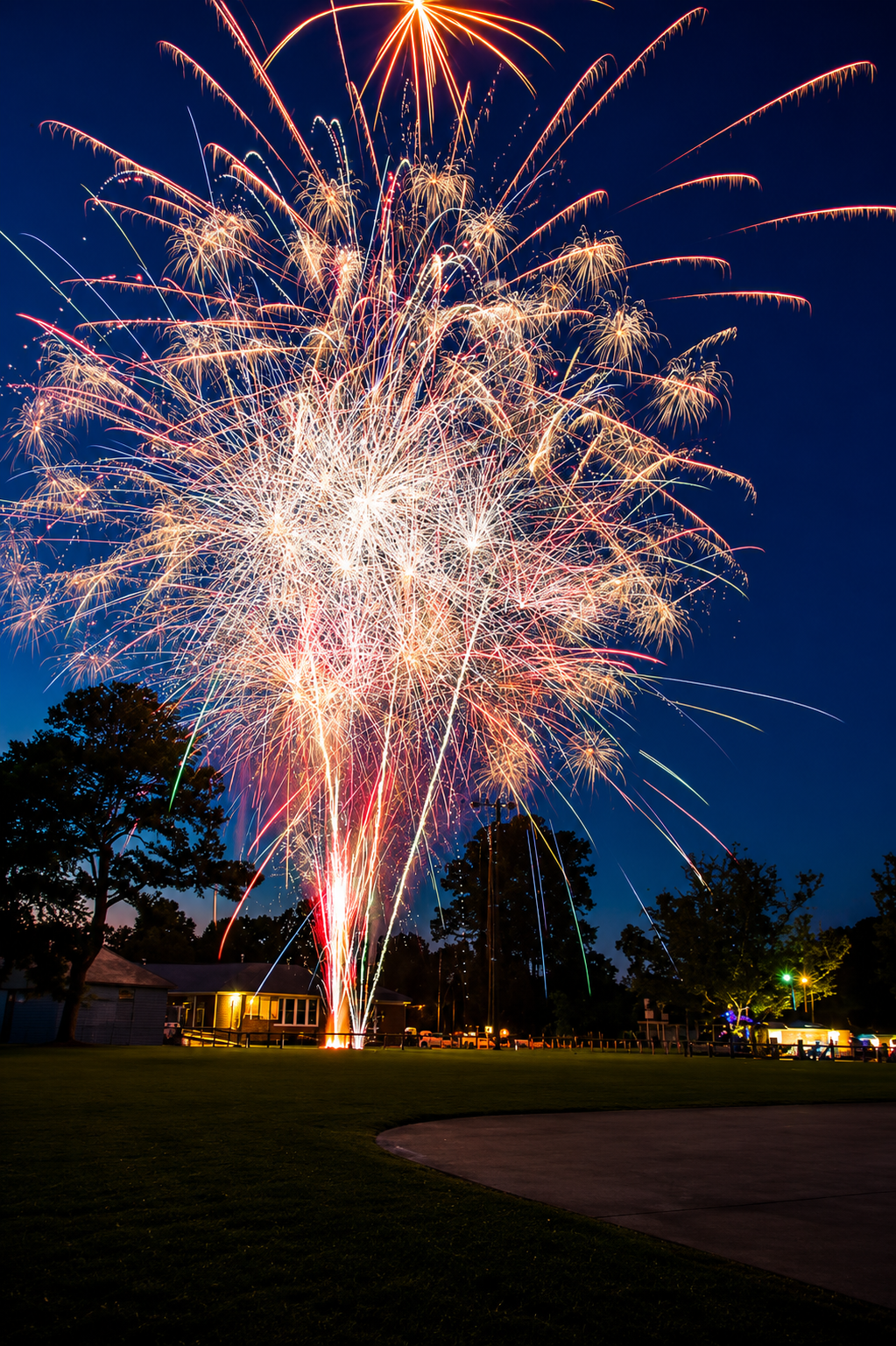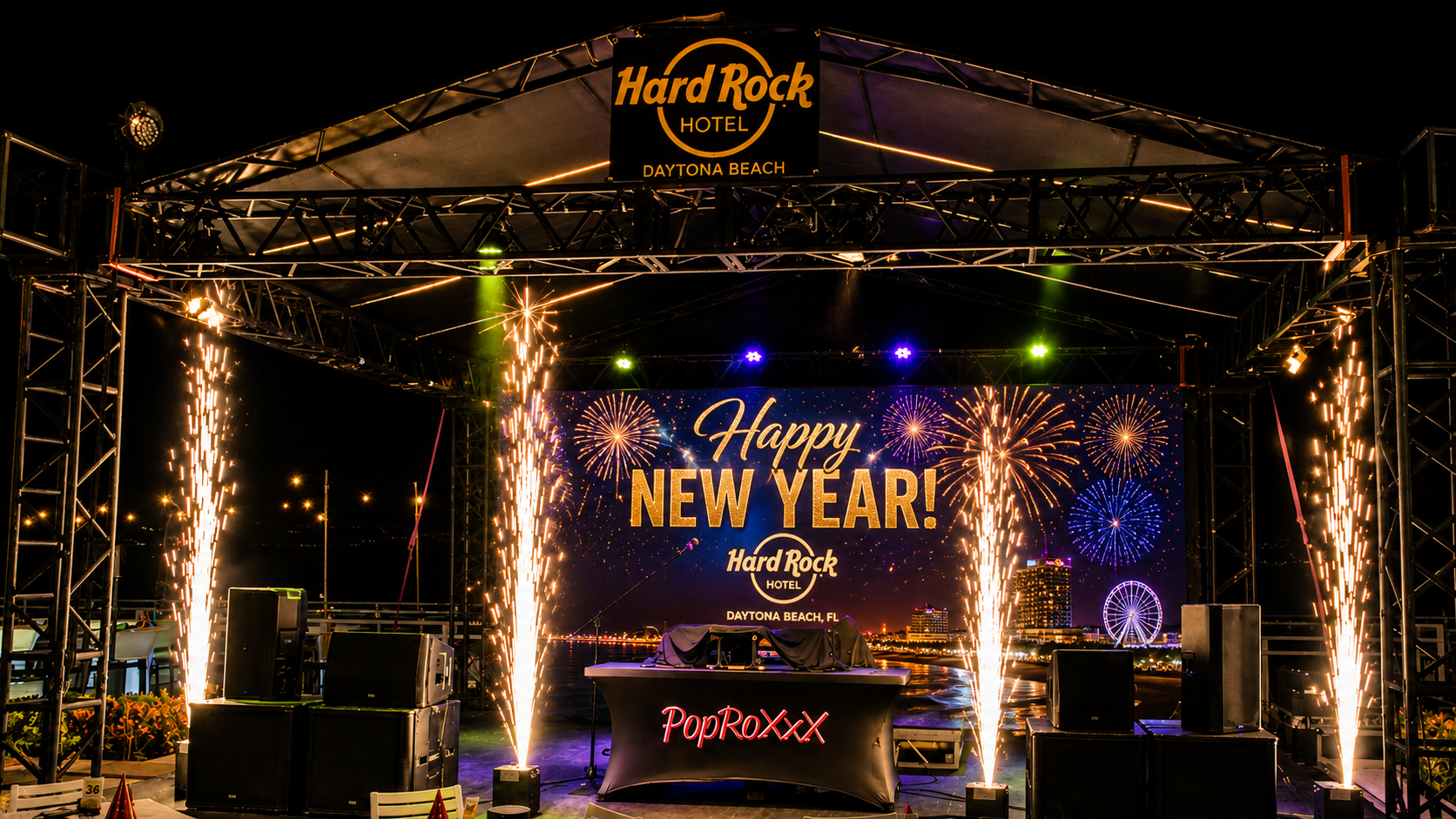
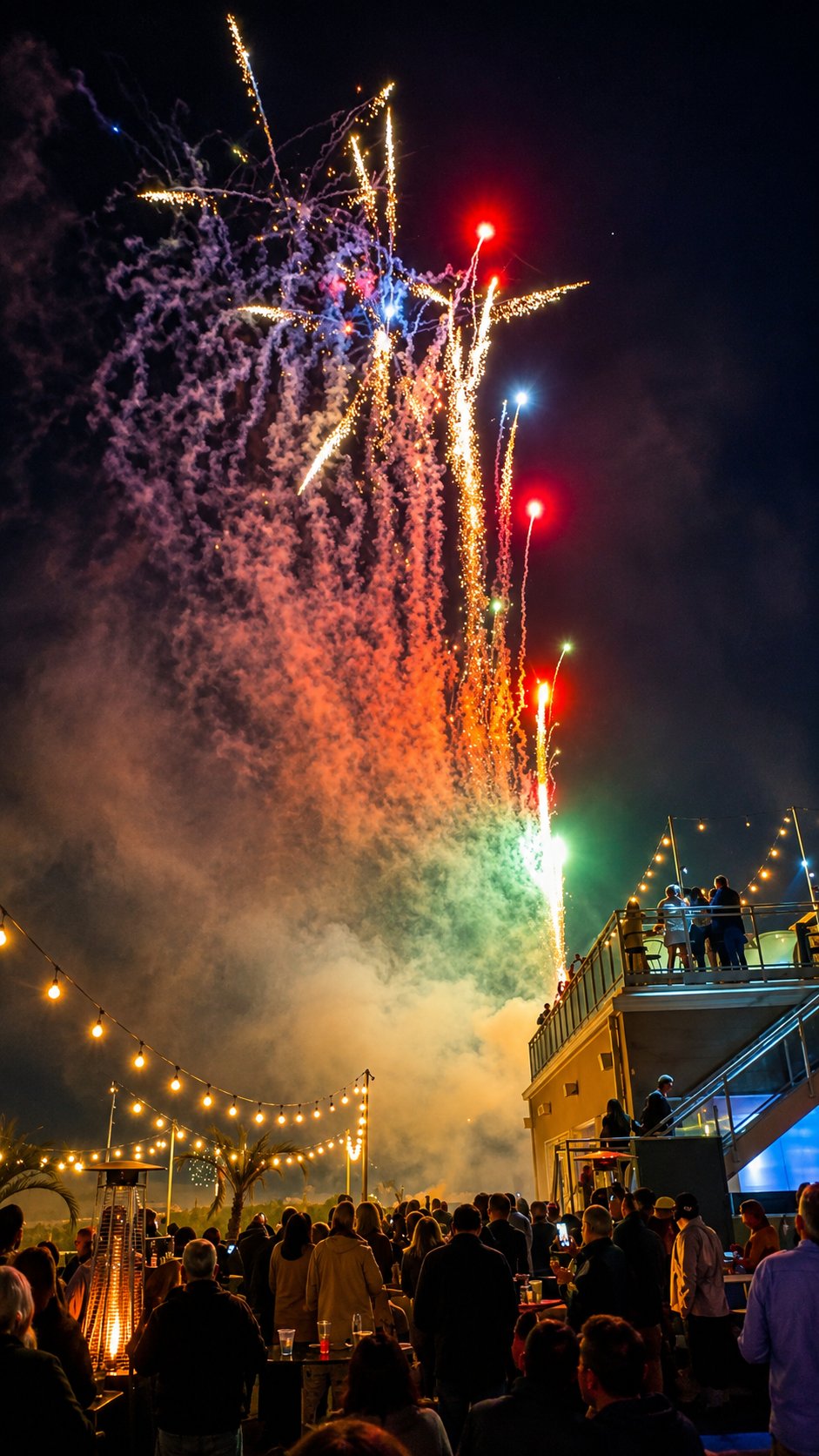
The stretch from Halloween through New Year's Eve is the busiest run of our year. Fall festivals, homecoming games, holiday tree lightings, corporate parties, and midnight countdown shows all compete for the same crews, the same trucks, and the same product. If your event lands between October and January, the booking clock isn't about to start. It's already running.
This is the timeline we walk organizers through, in plain terms: when to call, what happens after you do, what the calendar does to cost and availability, and what still works if you're reading this late.
The Short Version
How far ahead should you book? Here's the honest breakdown, based on how our season actually fills:
- 6 or more months out: ideal. Full product selection, first pick of dates and crews, and the most design time for custom sequences and pyromusicals.
- 3 to 6 months out: the sweet spot for most fall and holiday events. Good availability if you move early in the window.
- 6 to 12 weeks out: workable, but the marquee dates (Halloween weekend, mid-December, New Year's Eve) are thinning out and product choices narrow.
- 4 to 6 weeks out: possible depending on the date and the site. Permits become the critical path, so every day counts.
- Under 3 weeks out: call anyway. We'll tell you the truth about what's possible, and indoor effects like cold sparks can sometimes move faster than a full outdoor display.
And one tip that separates well-run committees from stressed ones: before you leave the venue at this year's event, ask about next year's date. The best shows on our calendar rebook themselves every season.
Why the Calendar Works This Way
Fireworks are not an off-the-shelf purchase. The product for a holiday-season show is professional-grade material that gets allocated months in advance, and the most experienced crews get committed to dates long before the leaves change. When a festival calls in October hoping for a mid-December show, the question is never just "are you free that night?" It's what product is still unallocated, whether the right crew is available, and whether the permits can clear in time.
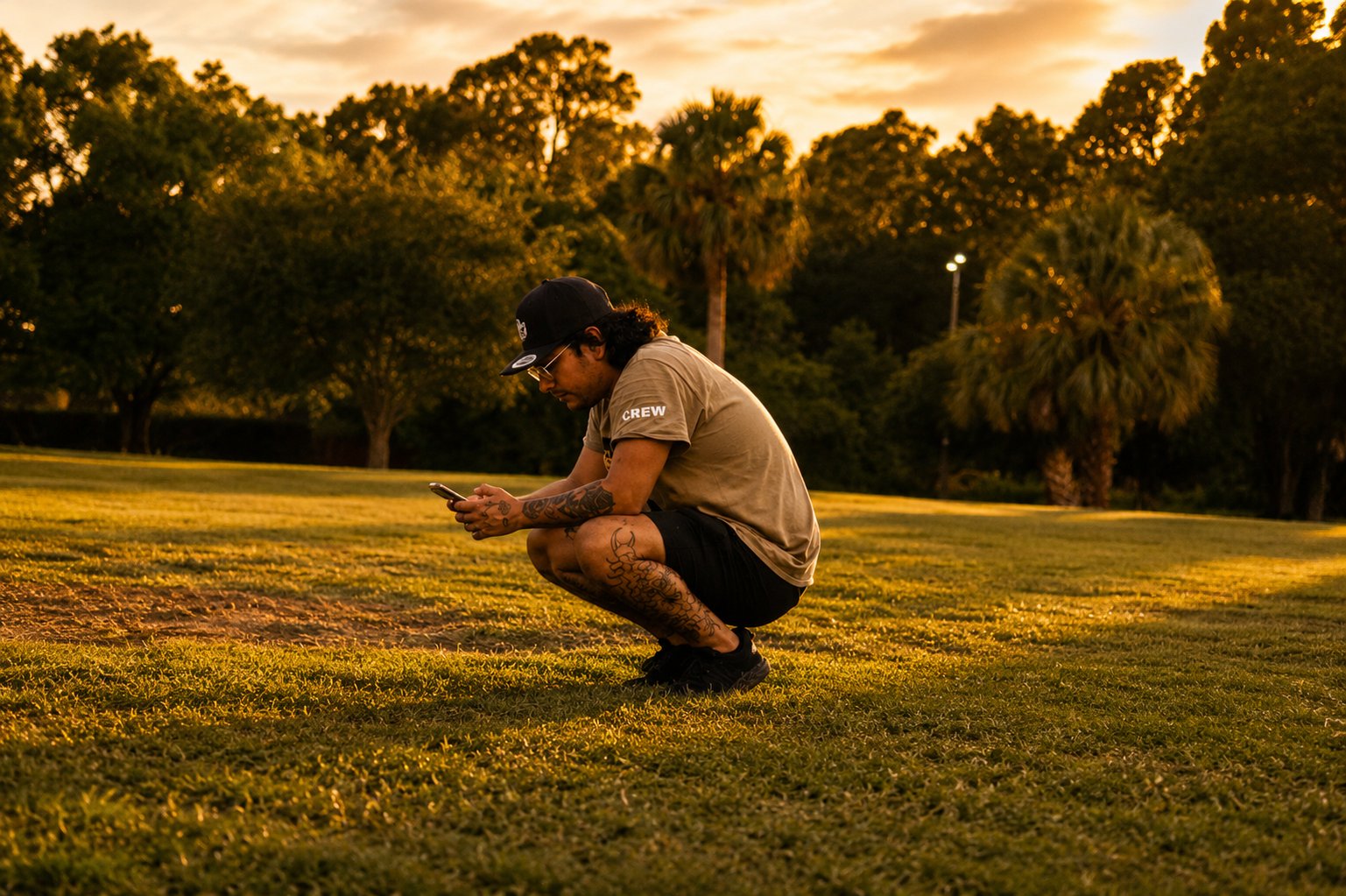
Permits are the part people consistently underestimate. Fire departments, the authority having jurisdiction, site approvals, and insurance paperwork all run on their own clocks, and they vary county by county. Our permitting guide walks through the whole process, but the headline is simple: permits take weeks, not days, and they can't start until the show details are locked.
What About Weather?
Fair question in the fall, especially in Florida. Booking early is also what makes weather planning work: with runway, your show has a real rain plan, agreed decision times, and a conversation about postponement built in before anyone is standing in a field watching radar. Every show we run has a weather protocol, and the earlier your date is on the calendar, the easier the backup options are to arrange with your venue.
What Happens After You Book
Booking early isn't just about holding a date. It's about what the extra runway buys you:
- A proper site survey of your venue, so the show is designed for your actual space, not a template.
- Real design time. Custom sequences, music timing, and effect choices that fit the moment instead of a package off a shelf.
- First call on product. The best shells and effects for your budget, before they're committed elsewhere.
- Permit runway. The paperwork starts early and finishes early, so show week is about the show.
- A written, itemized proposal within 24 to 48 hours of your call, so your committee can plan with real numbers.
What a Fall or Holiday Show Costs
We publish our pricing, so here's the short version: displays start at $3,500. A five-minute show typically runs $5,000 to $7,500. A ten-minute feature show typically runs $10,000 to $15,000 and up. Pyromusicals, fired to music, run $1,000 to $2,000 per minute. Game-day and stadium SPFX are priced per cue or as a per-day rate on the gear package, never per minute.
Every quote is written and itemized, and it’s all-inclusive of the production: the show, permits, fees, travel, and cleanup as their own lines, with a licensed insured crew, firing systems, transport, and insurance built in. No buried lines, so the number you plan around is the real one.
Booking earlier does not usually change the price. What it changes is how much show the same budget buys, because design time and product selection both get better with runway.
Your Month-by-Month Game Plan
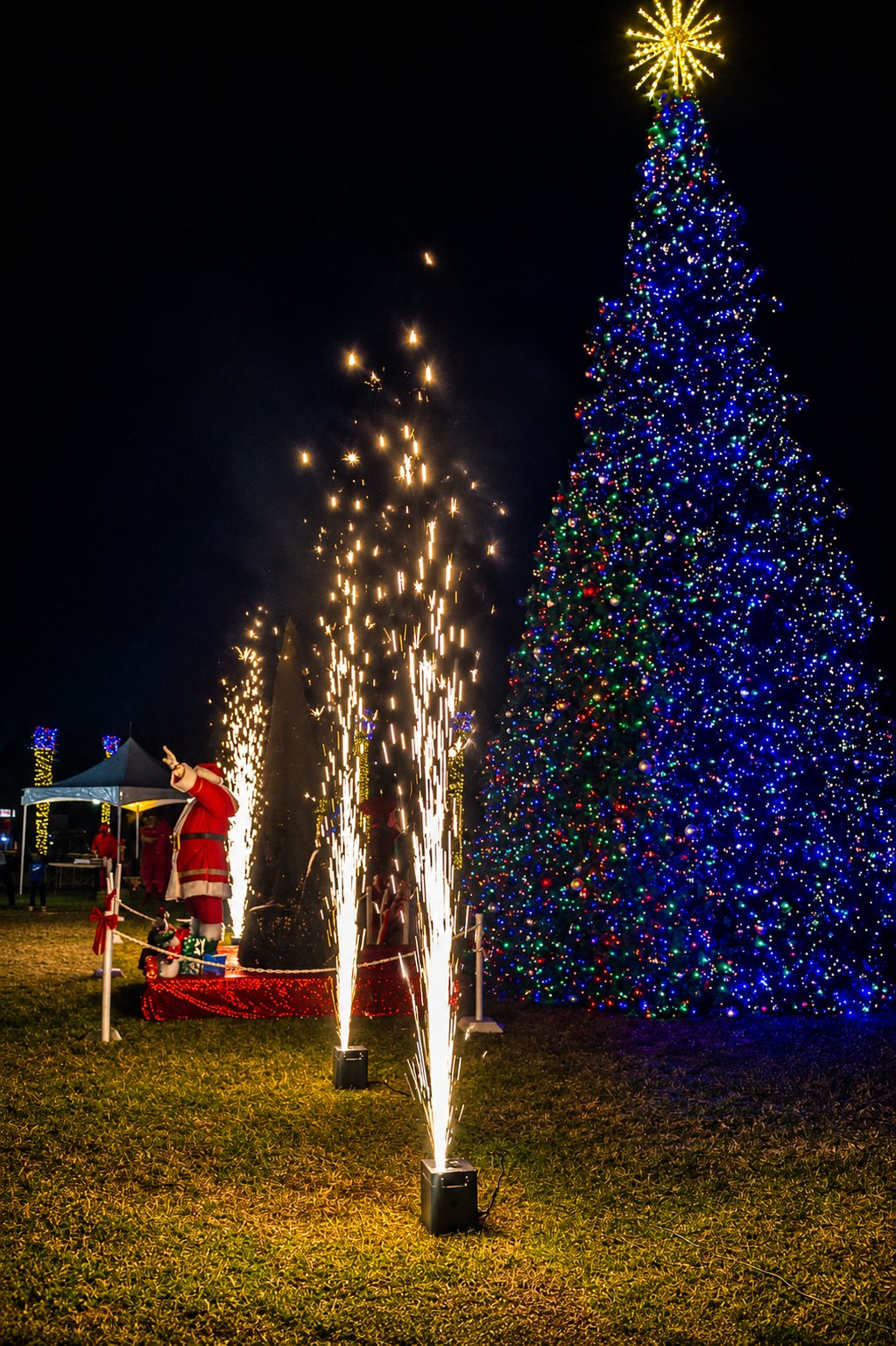
September: if your event is in October or November, book it now. If your December or New Year's Eve date isn't locked yet, start that conversation this month too. And if you're already thinking about next Fourth of July, you're not crazy. Summer dates get claimed earlier every year.
October: December tree lightings, holiday parades, and corporate parties should be locked this month. New Year's Eve is the single most requested night of the winter; if that's your target, treat it as this month's job.
November: New Year's Eve and mid-December dates are final-call territory. If the outdoor calendar is full, ask about indoor options: cold sparks for a countdown moment or snow effects for a holiday party often have more flexibility than a full outdoor display.
December: this is the month we hear "can you still do something?" Sometimes yes, especially for indoor and venue-based effects. Call and we'll give you a straight answer the same day.
January: the calm after the storm, and the best-kept secret on the calendar. Booking your spring and summer shows now gets you first pick of everything, including Fourth of July.
Effects That Shine in the Fall and Holiday Season
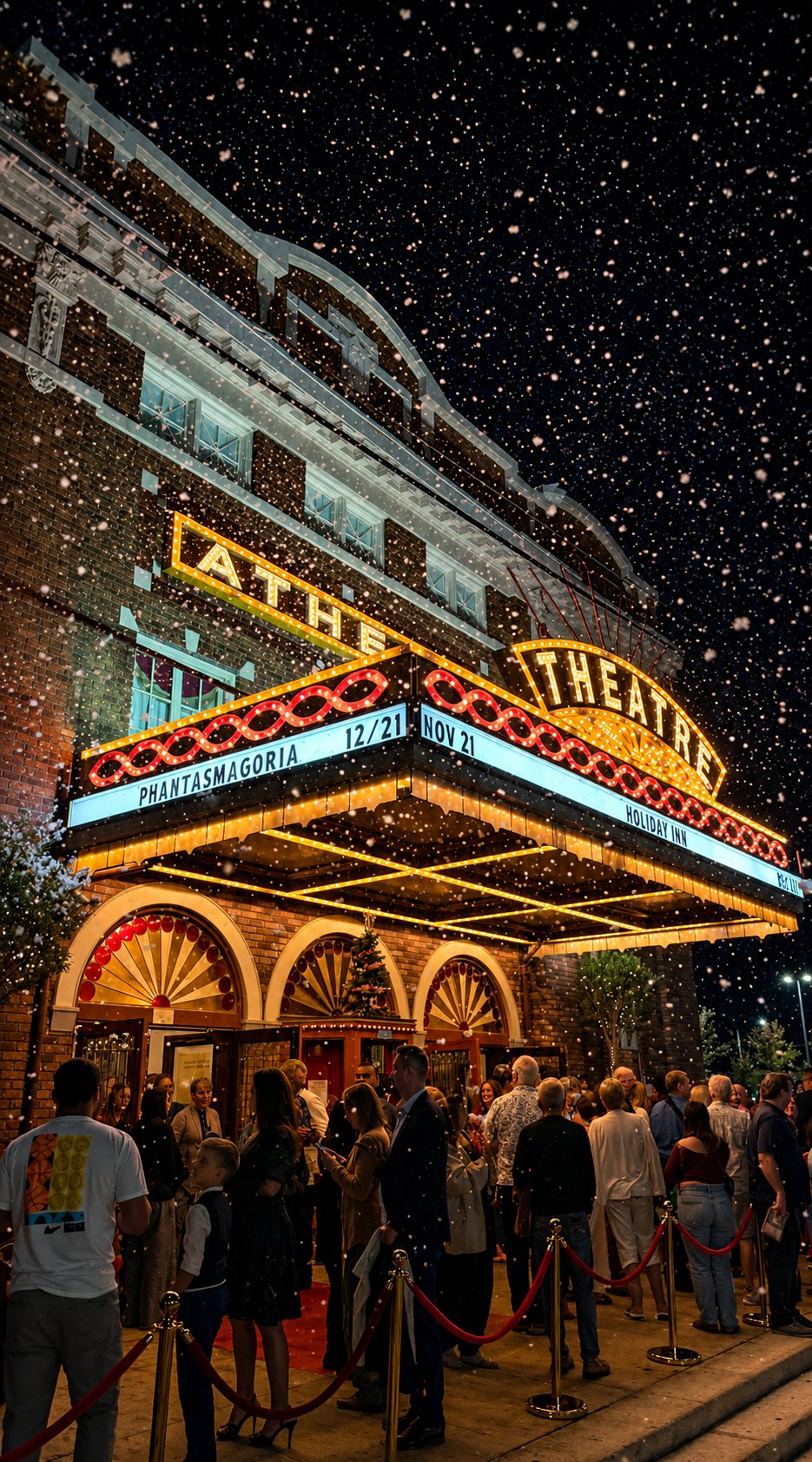
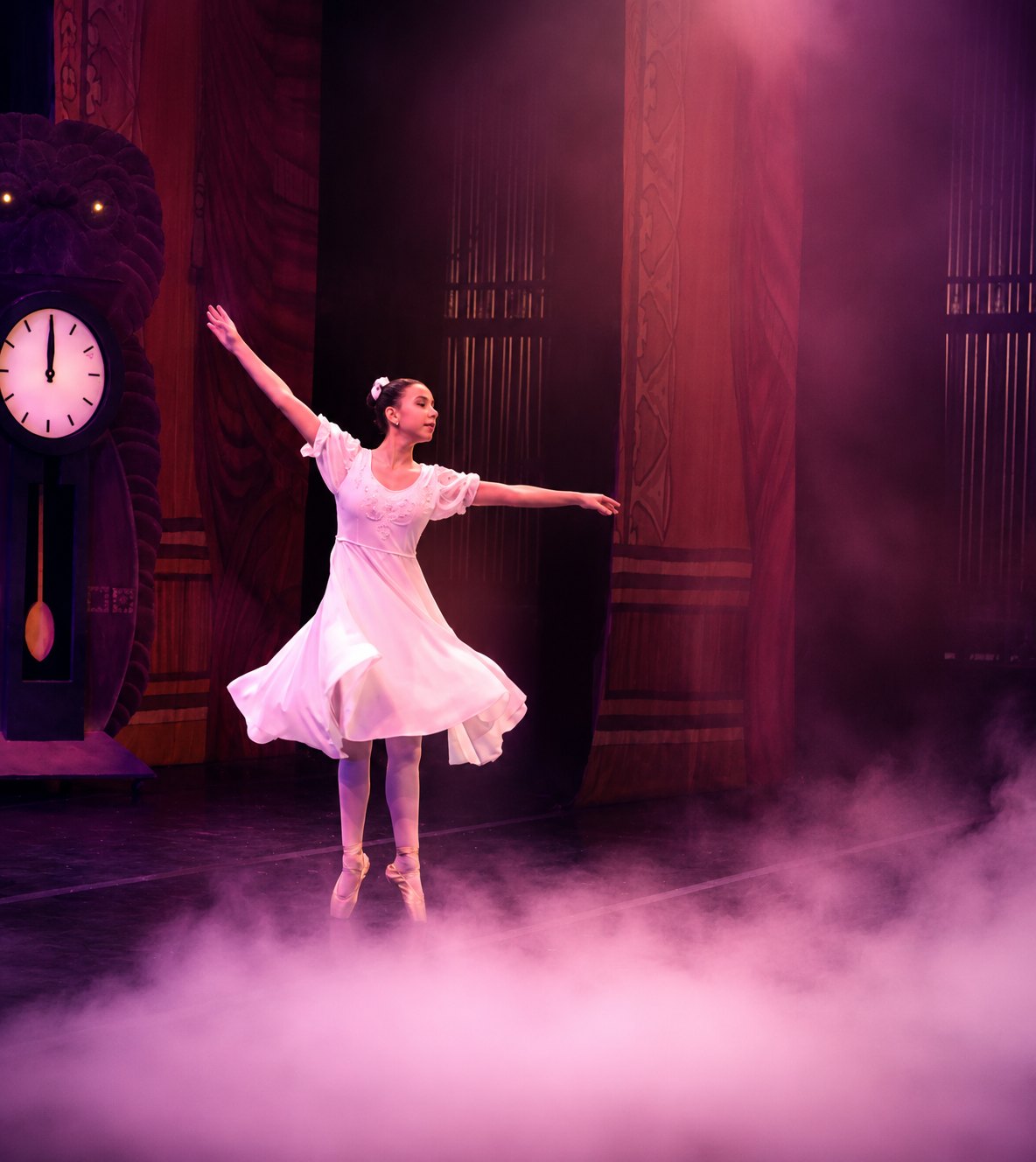
Snow and low fog. Falling snow in front of a marquee or a tree lighting, or low fog rolling across a stage for a holiday production, are as photogenic as it gets, and both are favorites for holiday parties and theatrical runs.
Cold sparks. Low-smoke and safe indoors, which makes them the go-to for countdown moments, galas, and first dances all season long.
Low-noise displays. For neighborhoods and venues with close neighbors, we design the show around sensitive sites. The full effect list lives in our low-noise fireworks toolkit.
Confetti and streamers. The midnight moment needs a finale, and for indoor countdowns, confetti is the classic.
Permits: The Part That Takes the Longest
Every outdoor show needs permits, fire department coordination, and sign-off from the local authority having jurisdiction, and indoor effects come with their own approval path. We handle that process for our clients as part of the show, but the timeline still belongs to the permitting offices, which is exactly why booking early matters. The full walkthrough, with timelines and who you'll actually be talking to, is in our no-nonsense permitting guide.
The Bottom Line
The fall and holiday season is the best stretch of the year to run a fireworks show and the worst stretch to wait. The dates are finite, the product is finite, and the best crews are finite. Call early, get a real proposal, and spend December enjoying your own event instead of worrying about it.
Creating the Moment They'll Never Forget.
📞 321-945-9446 · Request a quote